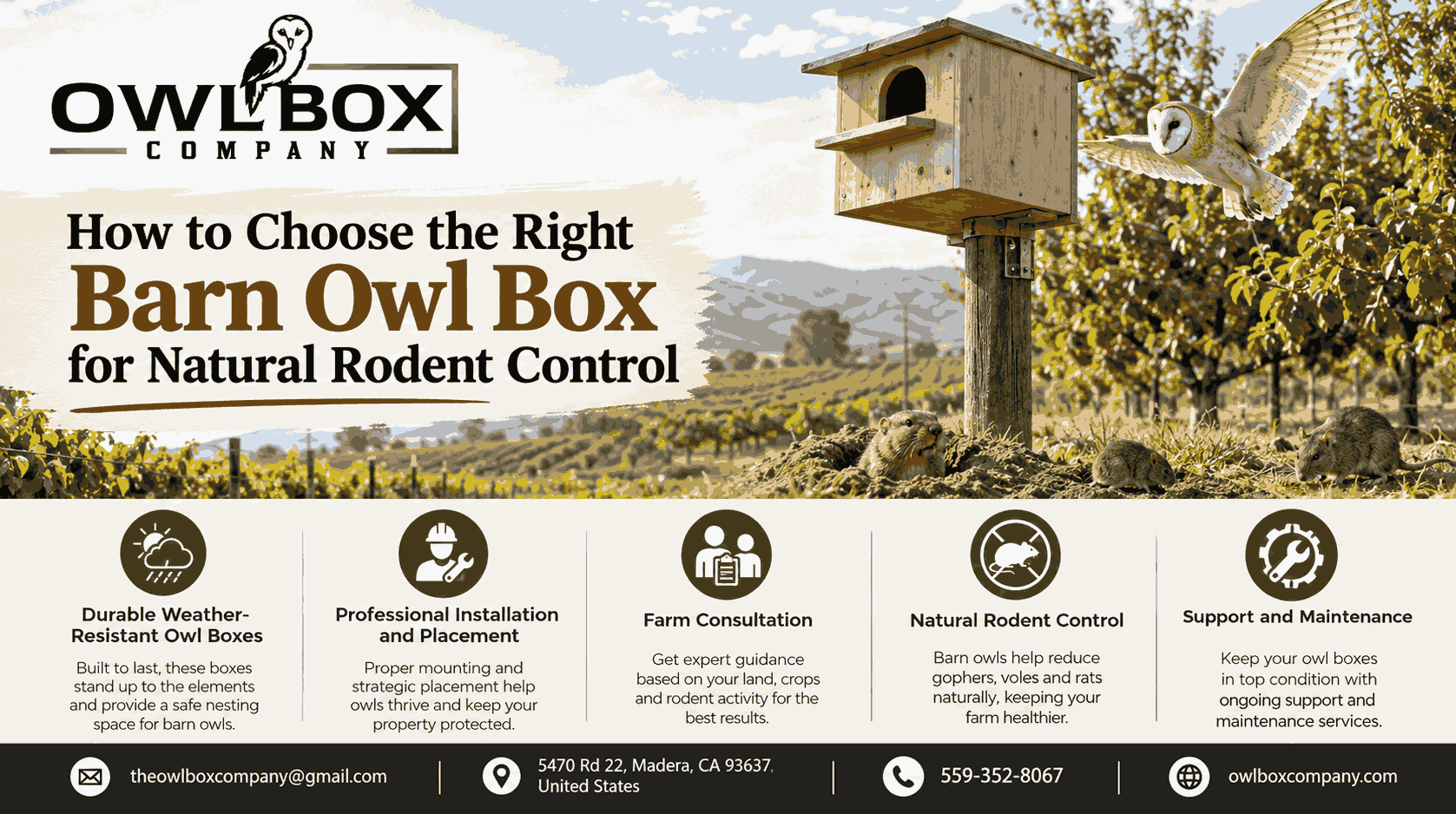
The farms seem serene from the outside. However, a completely different world exists. Gophers burrow their way through the soil; rats set up home in the spaces surrounding your land. You usually find out late, or the ground looks torn up. By then it’s a real problem.
One solution to this problem without always turning to chemicals and traps is a good Owl Box for barn owls. This is an opportunity to provide barn owls with their habitat, where they will hunt. The difficulty lies in selecting an appropriate box and placing it properly.
The Box Matters
Plenty of boxes online were never meant for a working farm. If you’re looking at a Barn Owl Box For Sale, check that it’s made for outdoor use and built around how barn owls nest. It has to handle weather. It also has to be comfortable for the birds, which people tend to forget.
Look at the build quality first, then ventilation, drainage, and the entrance size. A hole that’s too big lets predators get at young owls. Cheap construction falls apart when the weather turns.
They make custom weather-resistant boxes for farms, with rodent management in mind.
Getting the Box Is the Easy Part
Anyone can order a Barn Owl Nest Box For Sale. The real questions come after it arrives.
Where will it go? Can owls fly in and out cleanly? Are there enough rodents nearby to keep them fed? Can you get to it safely when it needs cleaning?
Most people only think about these once the box is sitting in the shed. Placement is often the whole difference between a box that stays empty for years and one that gets used.
Barn owls need open hunting ground. Fields, orchards and vineyards with rodent activity work well. And try to keep the box away from constant noise and traffic.
Don’t Just Bolt It to the Nearest Post
Say you buy a good box and mount it on whatever post is closest. Looks fine from the ground. But can a raccoon or snake climb it? Is a tree blocking the entrance? Do tractors and workers pass underneath every day?
Any of those can kill the whole idea. That’s why Barn Owl Nest Box Installation takes more planning than it seems.
They do farm consultations, where they look at your land and work out where boxes make sense. They consider the layout and how stable the setup will be over time.
They recommend mounting boxes high, which keeps predators out and gives the owls a safer nest. A professional mount is also more reliable than putting the box wherever there’s room.
How Many Boxes?
Small property? One may be enough. A bigger farm will probably want several, depending on acreage, crop layout, rodent pressure and available hunting territory.
They say one box can support a pair of owls and their family on about 10 acres, depending on how bad the rodents are. On 80 acres, that could mean eight boxes, if conditions support it.
Treat that as a rough guide, though, not a rule. Your land isn’t your neighbor’s. A site assessment will show you which spots have the best chance of getting an owl family.
Part of a Bigger Plan
The nice thing about Owl Boxes For Rodent Control is that they work with what barn owls do anyway. They eat gophers, voles, rats and mice. Once a pair settles in, there’s steady pressure on the rodent population, and you aren’t spraying chemicals again and again.
If you’d like to cut back on toxic pest control, that matters. One more thing to know: a poisoned rodent can harm the owl that eats it. The Company advises against poison baits. If you need extra control, they suggest traps or cultural practices instead.
So the box isn’t a quick fix. It’s one piece of how you manage the farm.
Keep It Clean
Once the box is up, the job isn’t over. A bit of upkeep keeps it appealing for returning owls.
We suggest cleaning once a year, or every two years, after nesting season. October and November are a good window. Clear out the old debris and put in a small amount of pine wood shavings for the nesting floor.
Check the mounting now and then as well. Wind and plain wear are hard on anything outdoors. A box that was solid a few seasons ago might need work now.
Think About the Whole Property
The box is only part of it. Crops and rodent activity all affect whether the setup works.
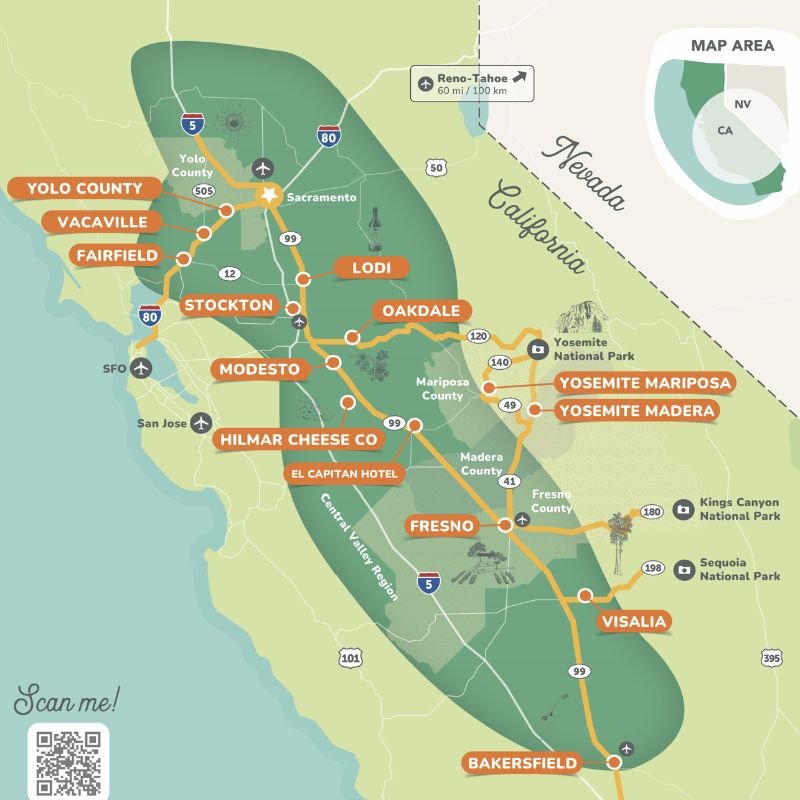
So a custom approach makes sense. We serve farms across Central California and handle consultation, custom construction, installation and ongoing support.
Comparing options? Don’t buy on price alone. Look at how it’s built and whether the whole thing suits your land.
Let Nature Do Some of the Work
A well-chosen owl box for barn owls is more than a nesting spot. You’re bringing a natural predator onto the farm and making rodent control part of the ecosystem already there.
Treat it as one complete system, and you’ll get the best results. Pick a durable box. Assess the property. Install it right. Keep it maintained. Protect the owls from risks you can avoid. Do all that, and your Owl Box for Barn Owl can be a long-term part of dealing with gophers, voles and rats.
If you want a practical, natural solution, Owl Box Company has the experience, construction, installation and support to make it happen.
Get Your Farm Ready for Natural Rodent Control
Want to look at an owl box setup for your property? Contact Owl Box Company for a free farm consultation and advice on where to place boxes. Call 559-352-8067 to talk through what you need and plan your installation.
FAQs
How do I know which owl box is suitable for my farm?
Pick something durable and weather-resistant, with decent mounting options. Your crop layout and rodent activity should decide both which box you get and where it goes.
Can I install a barn owl box myself?
You can. Just put real thought into placement. Height, nearby activity and structural stability all affect whether owls move in. Professional installation removes a lot of the guesswork.
How often should a barn owl box be maintained?
Regularly enough to keep the nest usable. Owl Box Company recommends cleaning once a year or every two years after nesting season. October and November are good months to clean it and get it ready for next time.